There’s been whispering for years, but this week the photography community was caught off-guard when one of its trusted vendors “accidently” released an AI tool that could potentially impact headshot photographers.
AI-generated headshots have become increasingly popular. They’re fast, affordable, and promise a “perfect” professional image with minimal effort. But for business professionals, perfection isn’t the goal—credibility is.
When your headshot represents your personal brand, leadership presence, or business reputation, hiring a real photographer still offers advantages AI simply can’t replicate.
Professional Headshots Are About Trust, Not Just Appearance
In business, first impressions matter. A professional headshot is often the first interaction someone has with you—on LinkedIn, your website, or a company bio.
AI headshots frequently look:
- Over-smoothed
- Artificially symmetrical
- Slightly unrealistic
Even when people can’t articulate why, they sense something is off. That subtle disconnect can undermine trust before a conversation even begins. As a professional photographer, I can point out an AI generated image from a mile away.
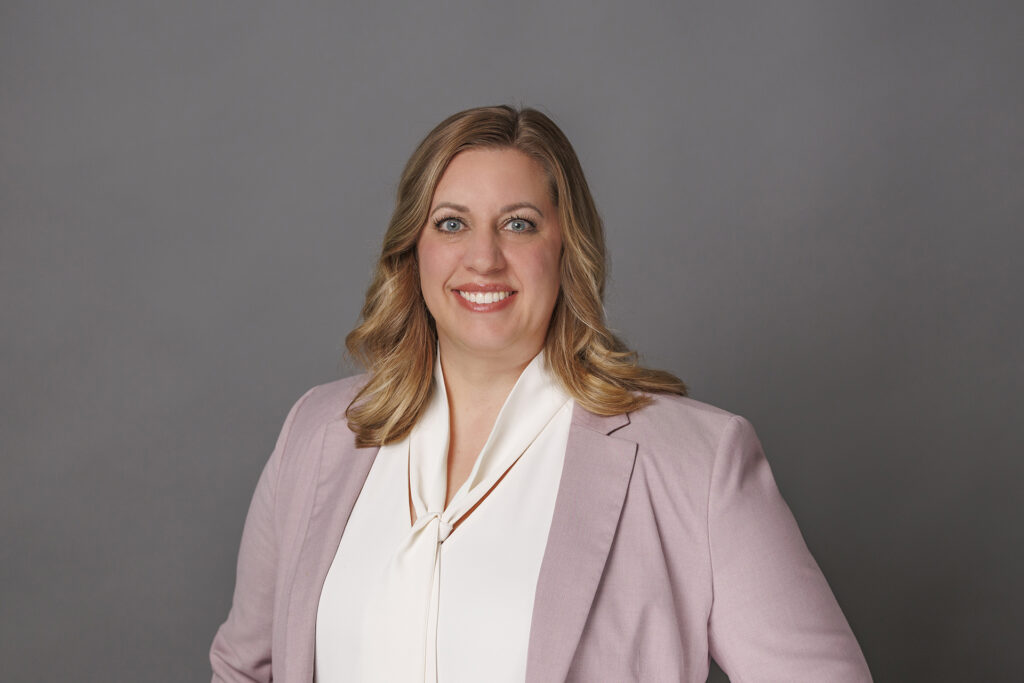
A real photograph communicates authenticity. It shows what you actually look like when someone meets you in real life—and consistency builds confidence.
A Real Photographer Captures Presence, Not Just a Face
Professional photographers bring human judgment to the process. They guide you through:
- Natural posture and body language
- Expressions that convey confidence and approachability
- Lighting that complements your skin tone and facial structure
- Styling choices aligned with your industry and role
AI relies on pattern recognition. A photographer responds to you in real time, an that difference shows.
AI Headshots Can Damage Personal Branding
Many AI headshots suffer from the same issues:
- Generic “corporate” aesthetics
- Facial features subtly altered
- Everyone looking strangely similar
For executives, consultants, and founders, this sameness can weaken differentiation. Worse, AI images that make you look younger or different than reality can feel misleading. Your headshot should reinforce your professional identity—not distort it.
Consistency Across Platforms Matters
A professional photo session produces a cohesive set of images you can use across:
- LinkedIn profiles
- Personal and company websites
- Press kits and speaking engagements
- Proposals, presentations, and media features
- These images remain usable and consistent over time. AI-generated headshots are often difficult to recreate or update in a way that maintains brand continuity.
Clear Usage Rights and Fewer Legal Concerns
Hiring a professional photographer provides clarity:
- Clear image ownership
- Defined licensing rights
- No ambiguity around AI training data or synthetic likenesses
Many organizations and publications are already cautious about using AI-generated images. A real headshot avoids unnecessary complications.
A Professional Headshot Signals Investment
Just like well-tailored clothing or professionally written copy, a real headshot signals seriousness. It tells clients, employers, and partners that you value how you show up—and that you’re invested in your professional reputation. That signal becomes increasingly important as your visibility and responsibility grow.
When AI Headshots Can Make Sense
AI headshots may be acceptable for:
- Temporary placeholders
- Internal-only platforms
- Low-stakes or experimental use
But for client-facing professionals and leaders, a real photographer remains the gold standard.
Final Thoughts
AI tools are evolving quickly, but trust is still human. A professional headshot is more than a photo—it’s a credibility marker. When your image represents your expertise, leadership, and business, authenticity is still worth the investment.
Fully transparency, my husband and I also own a tech business, and we use AI for a lot of internal development. However, one thing will always remain the same… You cannot replace technology for human connection.